WEBSITES BUILT AROUND YOUR INDUSTRY

Website Development for Manufacturers

Turn technical capabilities into clear product information and qualified enquiries.

An industrial buyer needs more than a company introduction. They may need dimensions, materials, production capabilities, application information and a way to ask a precise question. Digital Artic develops manufacturing websites that organise technical information for buyers, procurement teams and distribution partners. We connect product discovery with useful enquiry paths, helping your sales team receive clearer requirements while giving visitors a practical view of what your business can supply.

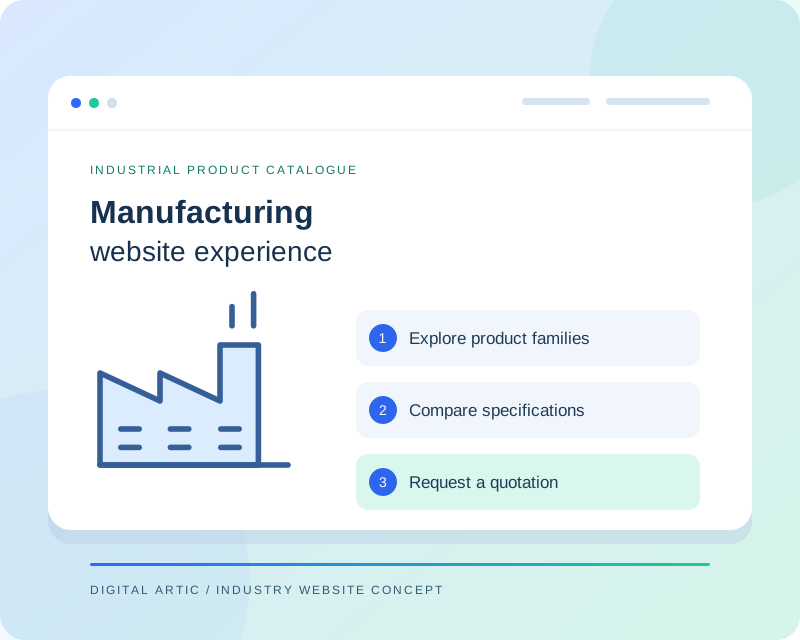
Manufacturing website concept with a factory illustration, technical product catalogue and quotation request
Illustrative website concept
A WEBSITE WITH A CLEAR PURPOSE

Make your capabilities easier to evaluate

Manufacturing websites often grow around brochures rather than buyer tasks. We review how customers identify a suitable product or supplier, then structure the catalogue and capability pages around that process. A visitor should understand the difference between a standard item, a configurable option and a custom manufacturing requirement. Product content, supporting documents and enquiry fields are planned together so the site can support a considered purchasing decision.

CAPABILITIES TO MATCH YOUR WORKFLOW

Manufacturing website features we can build

Choose the capabilities your organisation needs. Your project proposal defines the features, content work and integrations included.

01

Structured product catalogue

Organise product families with consistent naming, categories and attributes. We can scope filters around useful criteria such as material, capacity or application when your data supports them. A catalogue should make meaningful differences visible instead of presenting every product as an identical image tile with a different part number.

02

Technical specification pages

Product templates can include dimensions, materials, operating characteristics and approved downloadable documents. We agree the required fields before importing information. Clear units and revision ownership are important: a visually polished page still creates problems if a buyer compares specifications that use inconsistent formats or refer to different versions.

03

Request-for-quotation forms

An RFQ journey can capture product reference, quantity, application and the contact information your sales team needs. Optional document uploads require agreed size limits and handling rules. We plan the destination and confirmation message so buyers understand that submitting a requirement begins a quotation process rather than placing an order.

04

Capabilities and facilities

Explain the processes, equipment and production capabilities you are ready to publish. Approved factory photography can support the narrative, with clear captions and suitable image sizes. Certifications are shown only from supplied, current material, and their scope should be described accurately rather than implied across unrelated products.

05

Applications and sector navigation

Some buyers know their application but not your internal product classification. Application pages can introduce relevant product families, common selection questions and an enquiry route. We connect these pages to substantive technical information so visitors can move from an industry context to details that help their evaluation.

06

Catalogue administration

A manageable editing structure helps teams add products and replace documents consistently. Depending on catalogue size, we can discuss import tools, attribute rules and supported system connections. The agreed workflow identifies who checks specifications before publication and how retired products or superseded documents should be handled.

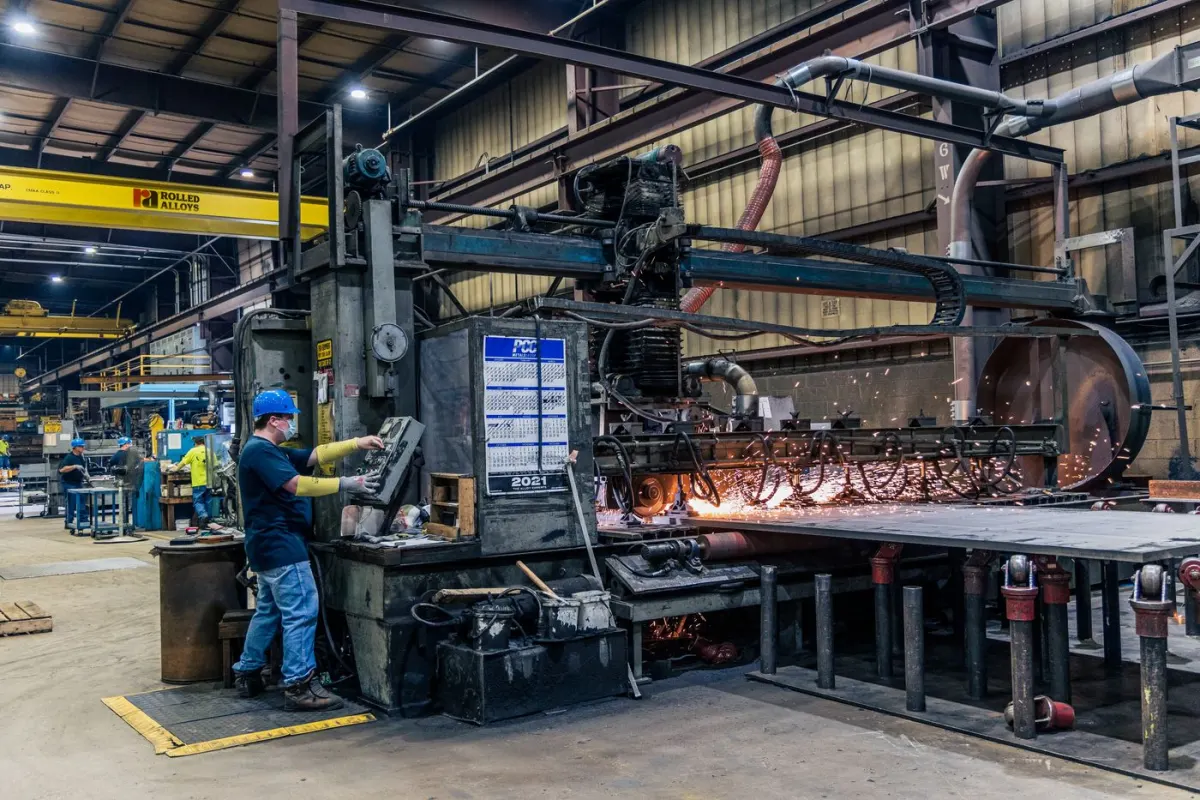
Worker operating industrial machinery on a manufacturing floor
Manufacturing websites

Show the capability behind your products

Help buyers explore your product catalogue, specifications and production capabilities before requesting a quotation.

Representative industry photography · Pexels ↗
DESIGN AROUND REAL TASKS

How visitors move through your website

Locate a suitable product

A procurement visitor starts with a product category or application, narrows the options and reviews specifications. Relevant documents remain close to the product instead of being scattered through an unrelated downloads page.

Evaluate a supplier

A technical buyer explores facilities, published capabilities and approved certification information. Clear distinctions between in-house capabilities and external arrangements help your team present an accurate picture of the business.

Submit a useful requirement

An enquiry carries the selected product reference into the RFQ form. The buyer adds quantity and application details, giving sales a more useful starting point than an unqualified message asking only for a price.

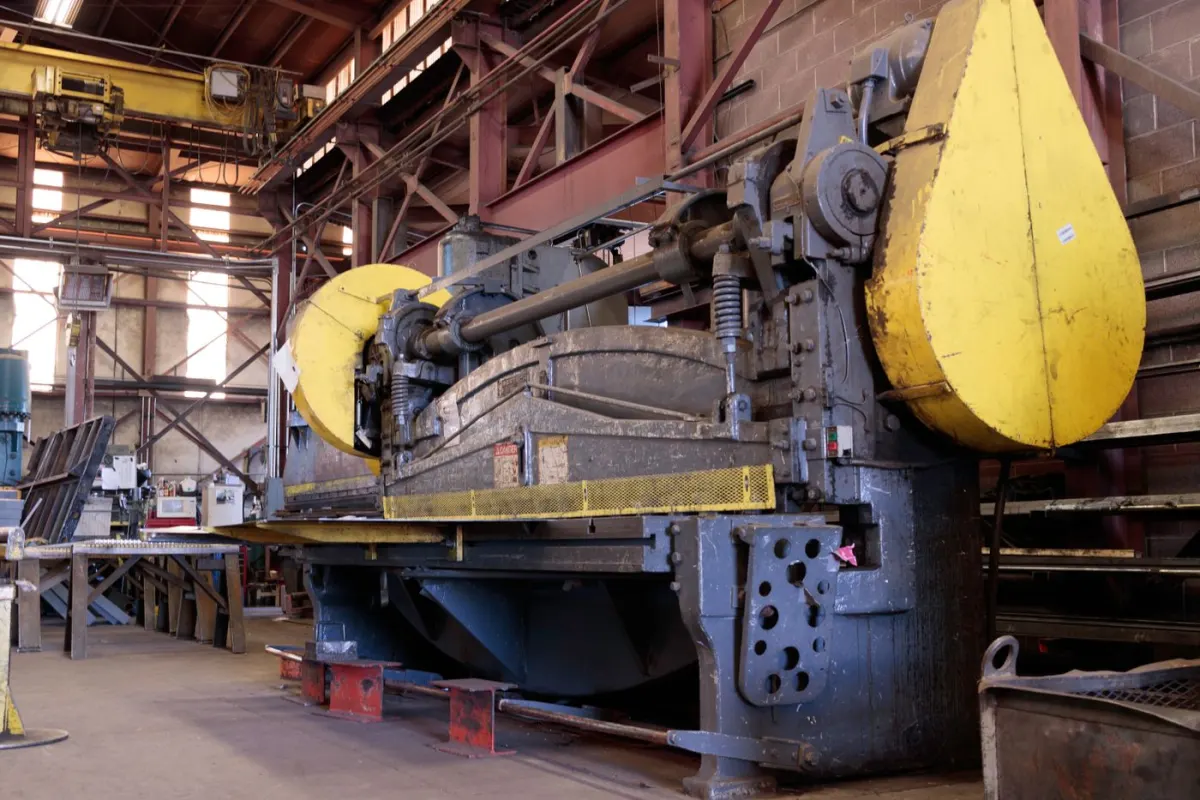
Heavy industrial machinery inside a factory production area
Manufacturing websites

Turn technical interest into a useful RFQ

Connect clear equipment and product information to an enquiry that carries the buyer's requirements to your team.

Representative industry photography · Pexels ↗
FROM BRIEF TO RELEASE

Our website development process

  1. 01

    Agree the requirements

    We review your audience, content, existing systems and preferred enquiry process. The proposal identifies the pages, functionality, content responsibilities and external dependencies included in your project.

  2. 02

    Review content and design

    Your approved information guides the page structure and visual direction. We review representative layouts with you before expanding the design, so important content and navigation decisions are settled early.

  3. 03

    Build and test the journeys

    Development covers the agreed templates, editing tools and connections. We check representative mobile and desktop layouts, key links and form behaviour, including confirmation messages and error feedback.

  4. 04

    Launch and hand over

    We coordinate access, final content approval and any required redirects before release. Handover explains routine publishing tasks and the maintenance responsibilities agreed for your website.

SCOPE, CONTENT AND OWNERSHIP

Planning your manufacturing website project

Prepare the catalogue before migration

The amount and quality of product data strongly affect delivery. We recommend reviewing a representative sample before agreeing the import structure. Missing units, inconsistent part numbers and outdated PDFs should be resolved by the responsible team. The proposal can separate data preparation, template development and import work so the effort behind a large catalogue remains visible.

Decide between enquiries and checkout

A manufacturer selling standard stocked products may need commerce functionality, while custom production often needs a quotation workflow. We discuss pricing rules, minimum quantities, shipping complexity and internal approval steps before choosing the approach. ERP or inventory connections are assessed against supported interfaces and the specific information that needs to move between systems.

USEFUL CONTENT. SOLID FOUNDATIONS.

Search visibility and website performance

Manufacturing search content works best when it explains actual products, applications and capabilities. We plan distinct category pages, descriptive product titles, readable specifications and links between related items. Downloadable brochures can supplement searchable HTML information rather than carry every important detail alone. Product images receive useful alt text without stuffing part-number variations into every field. A redesign also includes a review of product URLs, discontinued items and redirects for pages that already receive visits.

We prepare the technical foundations and review key page journeys. Search rankings and enquiry volumes depend on additional factors and are not guaranteed by a website launch.

BEFORE YOU BEGIN

Manufacturing website development: FAQs

Can you import a large product catalogue?

Yes, after reviewing the source data and agreeing the required fields. Product variations, images, document links and categories affect the work. We normally establish a consistent sample before expanding the process across the catalogue.

Can prices stay private?

A public catalogue can use quotation requests without displaying prices. A distributor login or account-specific pricing area is a separate feature with access and pricing rules to define. We discuss which approach matches your sales process.

Can buyers download drawings and datasheets?

Document libraries can be included with clear labels and product associations. Your team controls which materials are public. Restricted technical files need an agreed access process, and document revisions need a named owner.

Can the site connect to our ERP?

We assess the ERP's interfaces, available permissions and required data flow. Catalogue publishing, stock visibility and order submission are different integrations. The proposal defines the specific connection and testing responsibilities instead of promising a generic full integration.

LET'S PLAN YOUR WEBSITE

Discuss your manufacturing website with Digital Artic

Share your current website, required features and content readiness. We can then define the scope, dependencies and next steps.

Start a project discussion →