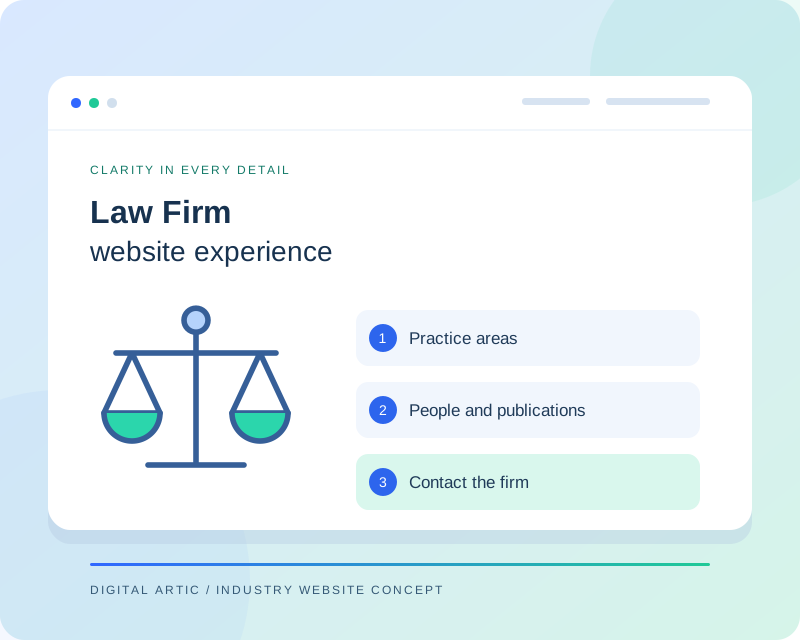
Choose the capabilities your organisation needs. Your project proposal defines the features, content work and integrations included.
01
Practice-area information
Organise the areas in which your firm actually works using clear descriptions approved by your team. Pages can connect to relevant professionals and publications. We avoid filling the site with unsupported outcome claims or an exhaustive list of services that the firm does not wish to present publicly.
02
Lawyer and leadership profiles
Profiles can include verified professional backgrounds, qualifications, areas of focus and approved publication links. A consistent format helps visitors understand who works on which subjects. Your team controls the professional details and any references to memberships, roles or recognitions before the profiles go live.
03
Publications and legal updates
A structured library can organise articles by topic, author and publication date. We can provide fields for update information and firm-approved explanatory notices. The website supports publishing; the substantive legal content and its continued accuracy remain under the review of your designated professionals.
04
Considered enquiry forms
Initial contact forms can collect a name, contact route and a broad category without encouraging visitors to send detailed confidential files. We implement the wording and routing agreed with your firm. Submission messages should explain the actual next step and avoid implying that a professional relationship is automatically established.
05
Office and contact pages
Clear office information helps visitors contact the correct team and plan an appointment. We distinguish published office locations from areas the firm serves remotely. Telephone links, directions and department contacts can be arranged consistently, with a manageable editing process for changes to operational information.
06
Editorial access and site upkeep
A CMS can separate routine publication tasks from changes to core practice descriptions. We agree who drafts, reviews and publishes information. Existing client portals can remain separate from the public site, while maintenance planning covers software updates, backups and the practical responsibilities included in your support arrangement.